
Read the Rim of the Dark Patch
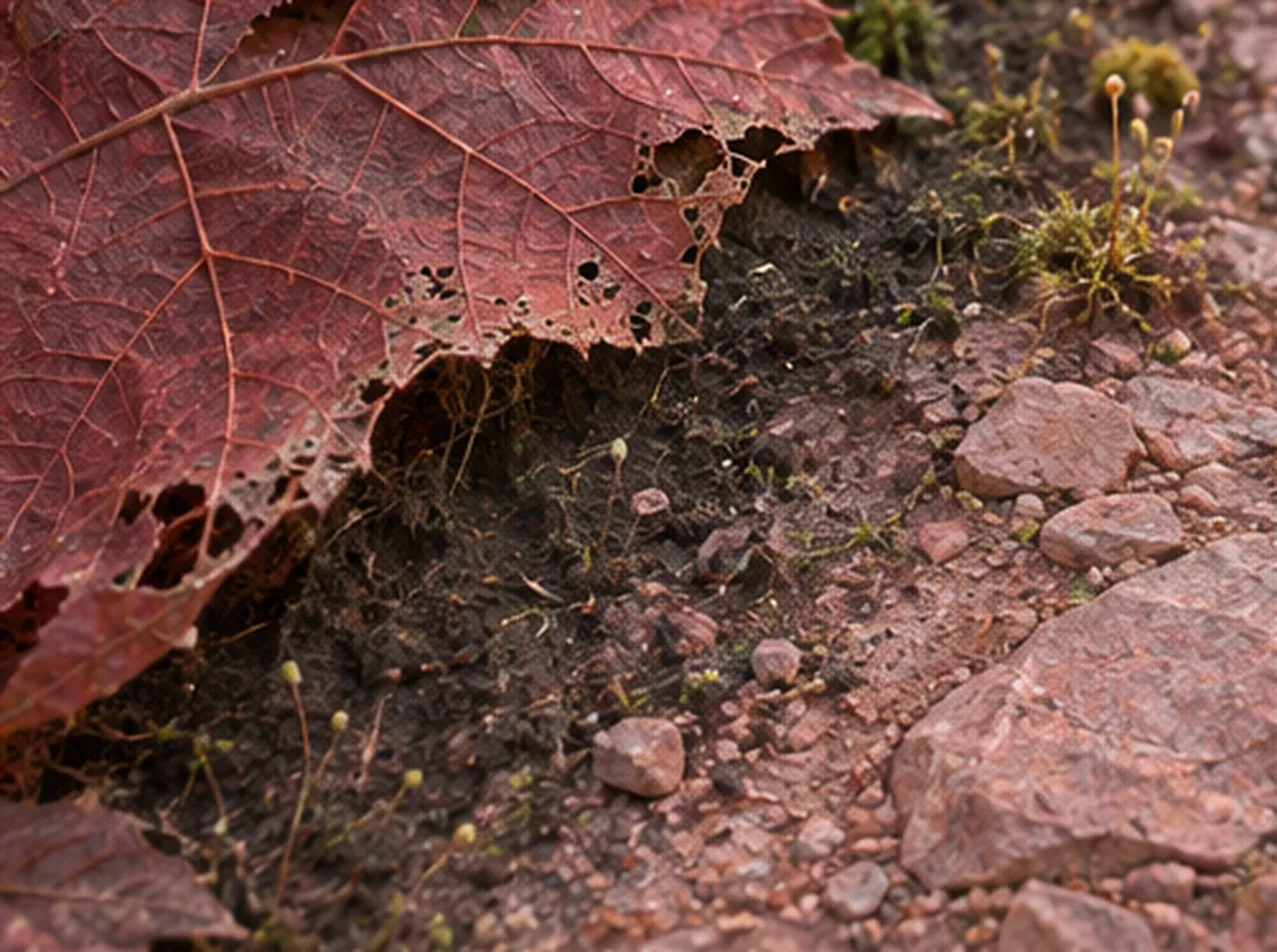
At dawn an enchanted patch can look wider under a tree than it actually is. The outer grass may be in a deep shadow while undamaged ground is still visible beside a fern. We wanted a guardian to find the boundary from the outside, without turning a magical problem into a color selection. This small trial keeps one dry leaf near the edge and follows its relationship to a few surviving patches of clover. The player can move between two places and keep their estimate of the rim open until the views agree.
Leave an ordinary leaf at the first point of reference
The opening view faces a low alder. A dry leaf stands up on one edge because its stalk is caught against a rock. The darkest area begins beyond its far tip. A new cloud can make the grass around the tip look darker without making the leaf move. The guardian may walk a few steps to the left and see the shadow go behind the fern. Now the dry edge is visibly closer than some of the darkest grass. Clear the Narrow Glade uses this shallow movement so a player can mark the outer region before offering another route.
Give the second position a reason to be useful
Stand farther along the bank where a clover mat crosses the same arch of soil. The ground at the lower curve is almost the same color as the edge by the fern. Its tiny leaf shapes remain open toward the light. The affected patch has a duller edge along one side. Set a marker short of it and draw a line between the dry leaf and the outer part of the clover without crossing what needs to be checked. A distinct spot along the bank can keep the marker visible from both perspectives. The challenge is to check an uncertain edge in context.
Choose a proposed route someone could verify later
The line along the clover can be marked as a possibility before anyone walks its entire length. The visible width is promising, and the boundary remains more stable than the changing shadow. Near the second fern an opening may look wide until the camera turns. Room for the Herd to Pass examines the size of the path at that kind of deceptive edge. The rim alone should not decide where animals can go. A separate walk can inspect the return and check whether the bordering grass is open all the way to a turn.
Keep the first drawing after the work changes the glade
The player can leave a small marker at a dry point. It remembers where the dark patch met the fern before the guardian cleared an approach. Put the updated observation beside the old one and let them share a part of the same curved line. Two Marks after the Clearing explores using one sign for the old edge and another for the open way that still needs to be walked. The player should be able to say whether an older marker has become harmless or whether it still describes something the herd needs to avoid.
Check whether the boundary can be shown twice
At the end of a trial, ask how somebody would lead another guardian to the area without taking them through it. The dry leaf and clear patch of clover offer an answer, as does the side of a fern that still touches unmarked ground. If the person points only to the deepest shadow, the test needs another readable boundary. One useful result can be as small as finding the same limit from both sides of the bank. That room can then support a decision about where to leave space along the route.