
Glade Field Cases
The narrow approach
Clear the Narrow Glade
Place a marker outside the affected rim, then look back from the edge available to the herd.
Open the field demonstration
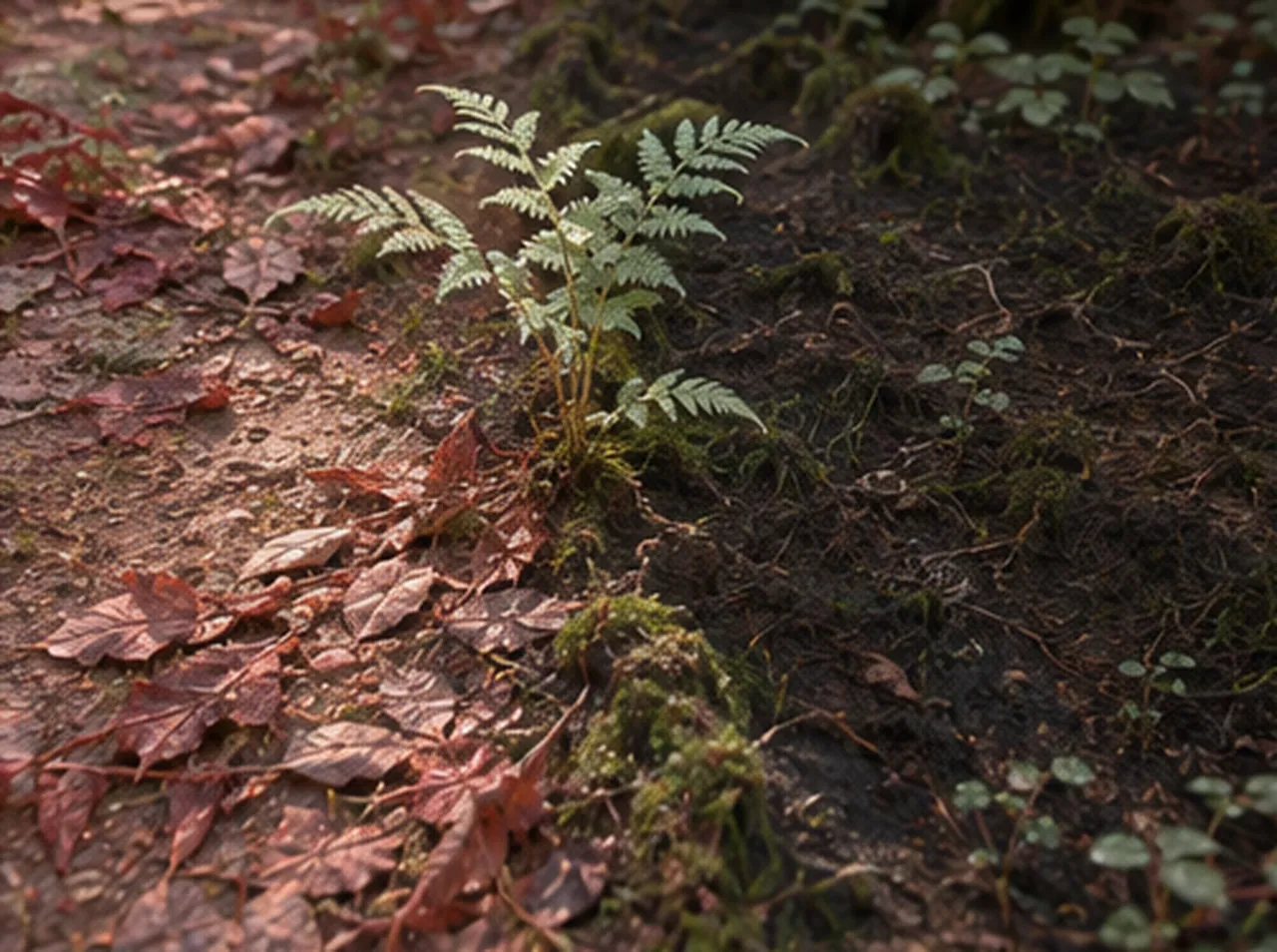
From the fern, leave the dark patch on your right. The low clover now gives the herd a wider line.
The loop at the willow
The Return Trail
Follow the earlier hoofprints to the damaged bend and find a lower alternative with an open exit.
Open the field demonstration
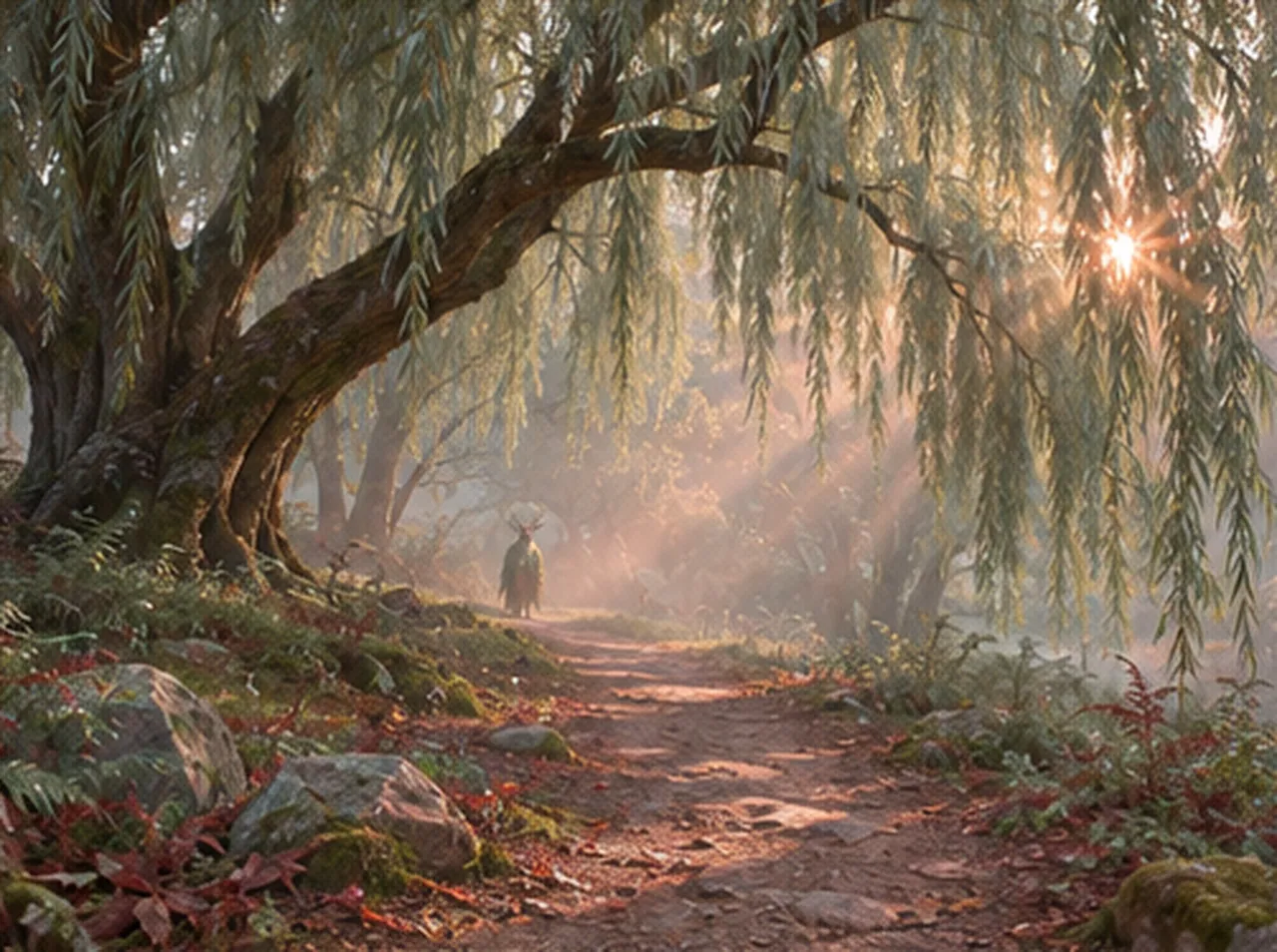
At the log, turn down to the willow and check both openings before marking the new route.
Two facing pages follow small stretches of an invented woodland. On the left of each spread is the circumstance a guardian finds. The illustration and demonstration on the other side supply the action that can change it. The narrow approach and the blocked return both ask where a herd might walk. The first starts at a local area that cannot be crossed. The second follows a longer line that no longer connects at one end.
The damaged glade
Clear the Narrow Glade begins on the near side of a darkened patch. The guardian can locate a dry fern and the point where the soil begins to change. Mark the outer boundary from the clover so the route remains possible without stepping into the affected area. Leave the straightest line until you know whether a wider turn is available. Read the Rim of the Dark Patch examines how two nearby signs can trace the same visible edge from different angles.
The blocked loop
The Return Trail reaches a willow before it meets a fallen log. It keeps the visible part of the old track beside two paths out. One new line is easy to enter and ends with too little room to turn. The other gives the herd a lower approach and may still lead back to the near opening. A Gap in the Return Loop follows the first comparison and asks which features make the longer path worth checking. The case shows a different type of observation from the first glade.
Compare after choosing a first action
Open a demonstration and think about where a guardian would stand while performing the check. The second position can show whether the apparent route keeps a broad exit. Use Herd Watch for a closer look at each observation. The sketches belong to original concepts in development. Each spread can offer a playable question about one piece of the wood.