
Trail Bench
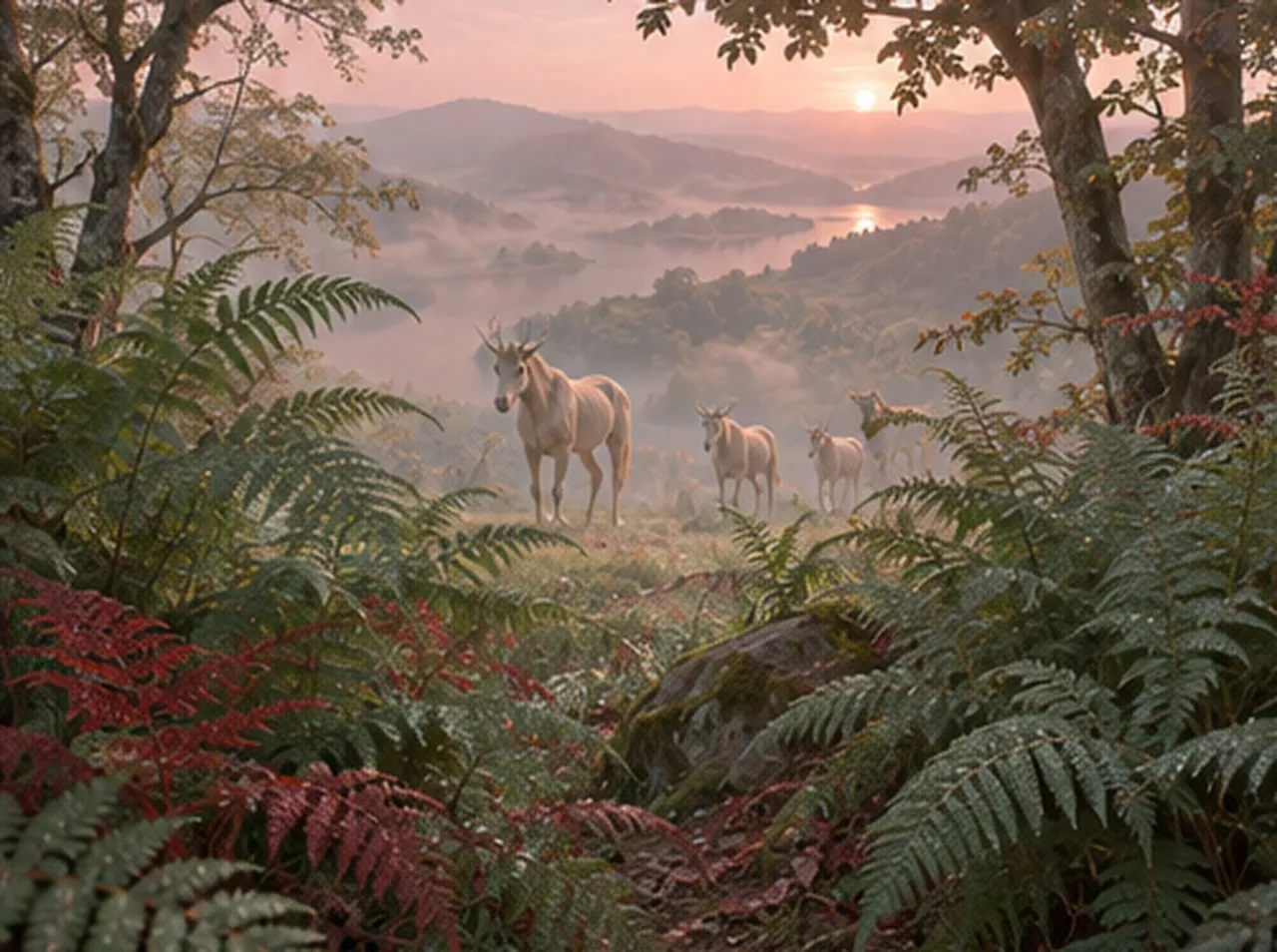
Much of an imagined forest can be drawn without deciding whether a path is playable. At the Trail Bench we begin with a narrow passage that somebody needs to walk twice. One view gives a clear answer about a single step. The return reveals whether the surrounding route was as easy to read. In an original unicorn setting, that difference matters to a guardian who can climb around an obstacle that a group moving through the trees would not use. It keeps the central problem specific to the animal space.
Draw a return before deciding how to clear an area
An early outline gets enough detail to show the near side of a curve and the place where it exits. The player needs to know which visible edges could guide a later check. A protected fern can hold an overlook at one end. An older hoofprint can indicate why an apparently open direction is less plausible than the softer bend. The prototype builds a small place for each of those observations before deciding what might have harmed the route in the story. This approach makes the signs in the glade useful at the size of a walk.
Set a different task for each role
Environment artwork describes the edge of the dark surface, the animal’s waiting space and the weather around them. Level design checks width at the ends of a bend and sketches the short alternate path. Narrative work gives the guardian a reason to keep an early marker after the way opens. Interaction design gives the player a way to report a change and ask for another check. Review of the prototype watches where someone stands when they say the route is ready. These are responsibilities that can be exercised in a single short room.
Reopen a useful difficulty
Read the Rim of the Dark Patch shows what can be learned in a small view. Two Marks after the Clearing follows the difference between confirming work on that edge and verifying the surrounding route. Find the other studies in Herd Watch alongside the project that prompted each question.
If you write to the bench, name a trail or describe the place where you need more clarity. Send a Glade Note accepts observations about these original designs and their public pages.